
Profile direction
Bring the closest handrail reference into the discussion.
Typical applications are presented as discussion contexts, not as named customer projects or verified installations.
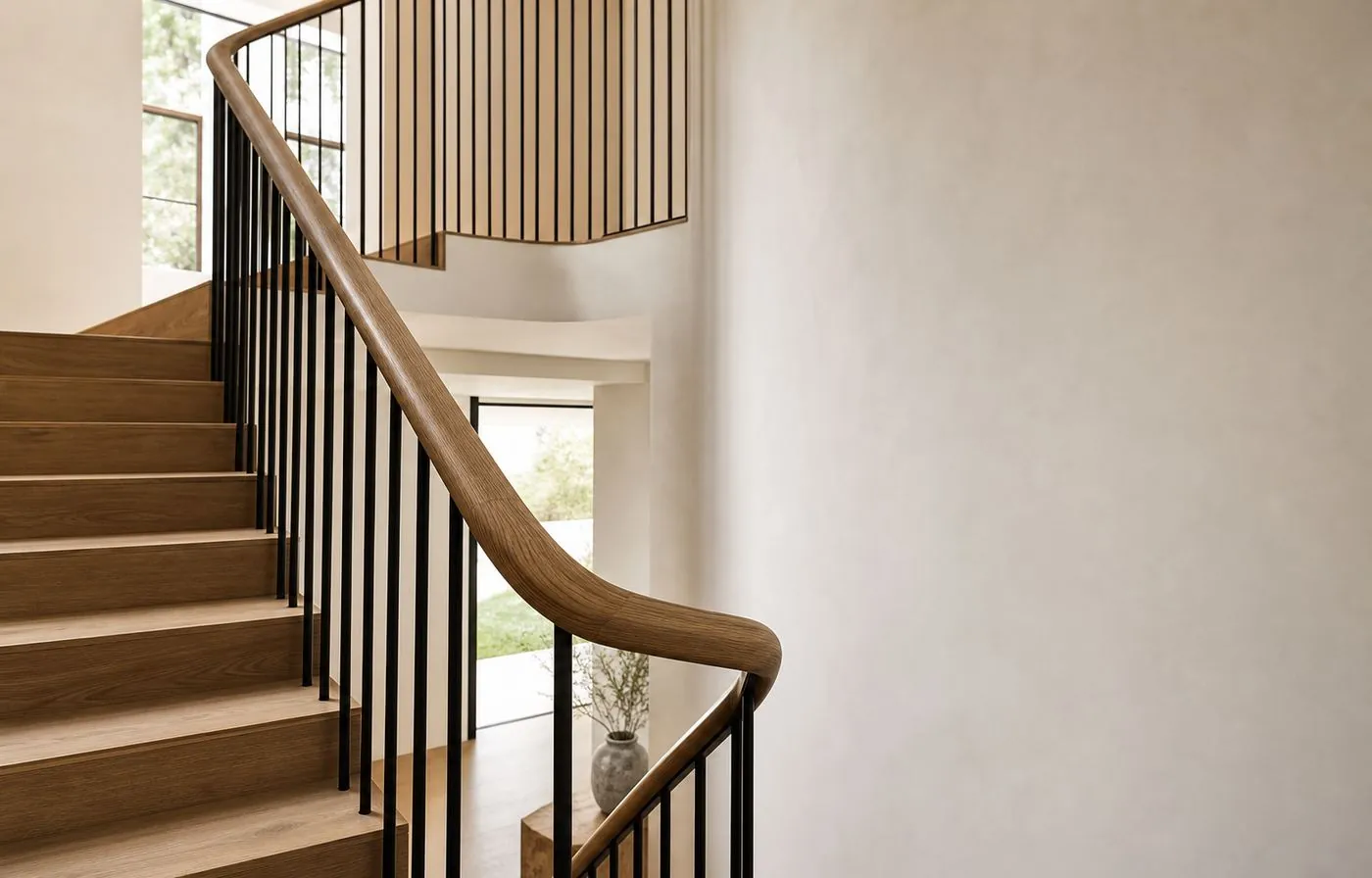
For a residential stair programme, a profile reference, finish direction and intended stair design can help establish the initial brief.
A profile reference, intended finish and stair context help make the next discussion more useful.
Bring the closest handrail reference into the discussion.
Use a visual reference to describe the intended surface direction.
Review the application alongside practical order information.
These are typical application discussions. Suitability, finish direction and final requirements are confirmed for the specific enquiry.
Explain the intended use and related components.
Use the closest visual direction for the finish discussion.
Share lengths, estimated quantity, packing or destination when known.
Bring the closest image or drawing into an enquiry for a practical review.